June 12, 2026
Welding safety tips every job site should follow are essential for protecting workers and ensuring operational efficiency. Implementing strategic measures and comprehensive protocols significantly mitigates hazards on the construction site. As a locally and family-owned business with over 30 years of experience, we provide qualified employees who understand how to maintain a secure environment. Our team speaks English and Spanish, allowing us to deliver precise instruction and mobile services across Liberty, NC, while prioritizing workplace health. Let's explore the critical practices that keep every job site running smoothly and securely.
Require Proper Personal Protective Equipment
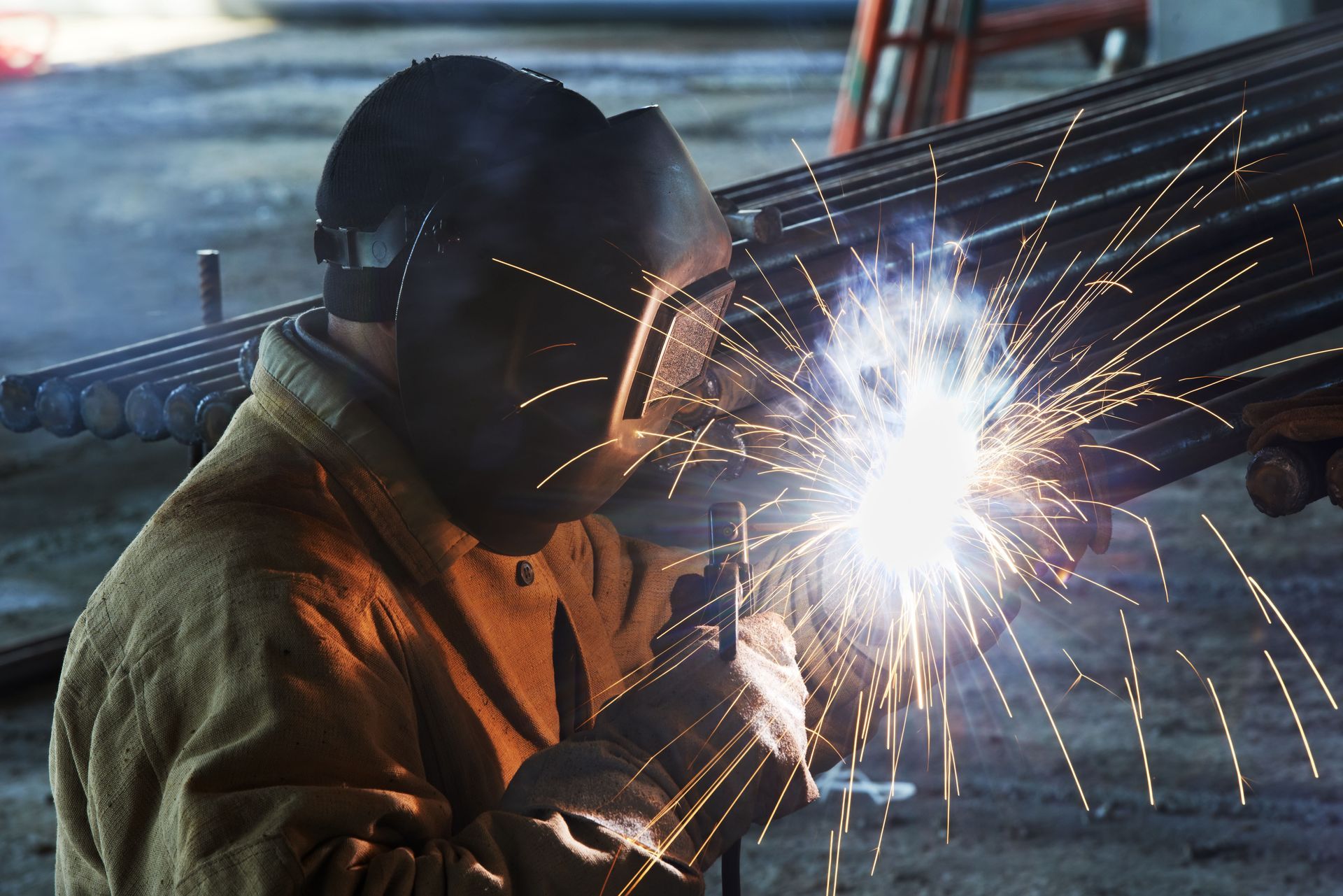
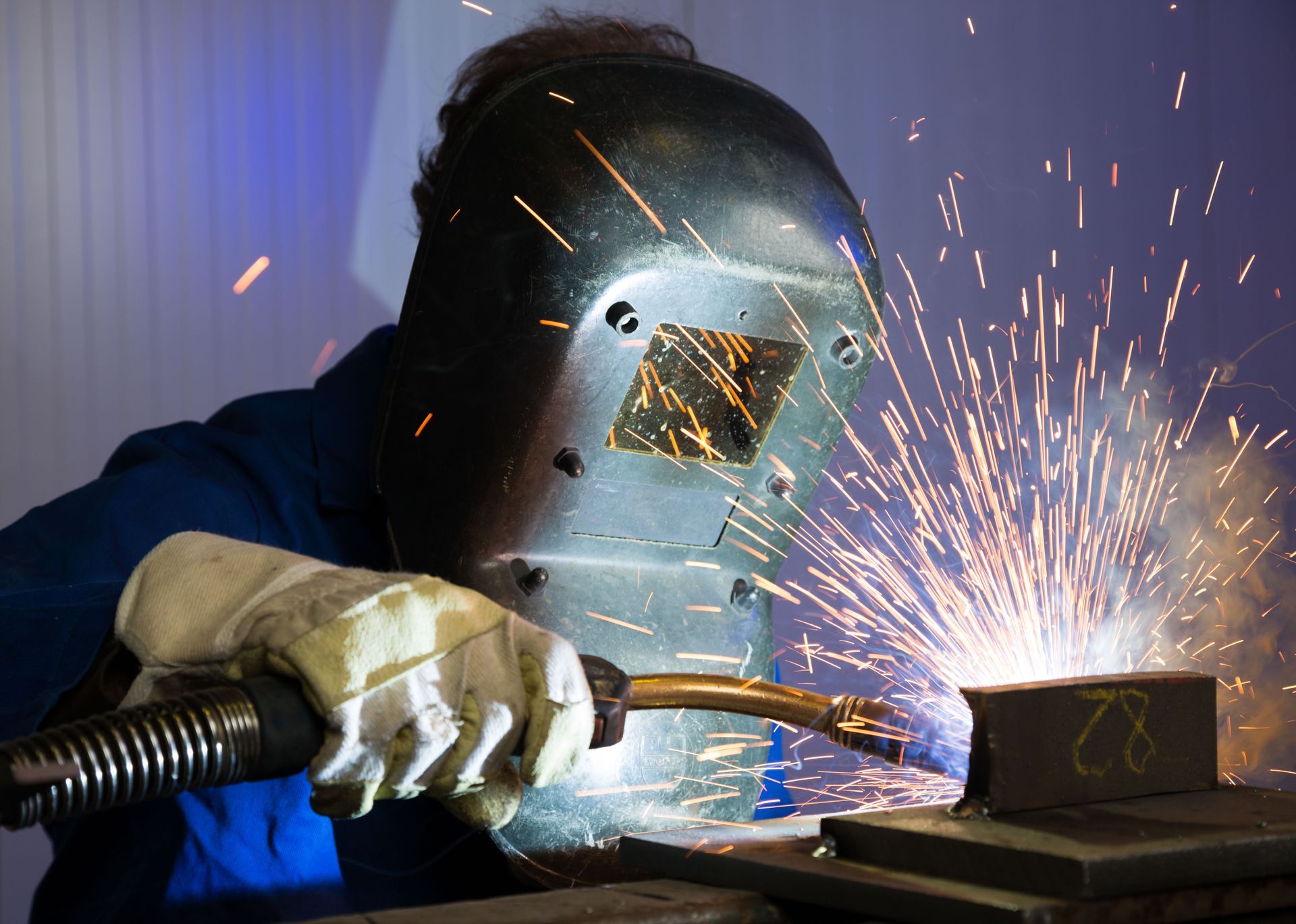
The importance of high-quality protective gear cannot be overstated in modern fabrication operations. Helmets protect the eyes and face from dangerous sparks and intense ultraviolet light, preventing painful conditions like arc eye. This protection must be supplemented by safety glasses or goggles to provide comprehensive coverage. Selecting and maintaining the right gear is a vital component of ensuring worker well-being during every project.
Flame-resistant clothing forms another primary line of defense against burns and heat exposure. Attire should be crafted from fire-retardant materials like cotton or wool blends rather than synthetic fibers that can melt onto the skin. Clothes must fit snugly to prevent fabric from getting caught in heavy machinery or coming into contact with stray sparks. Regular inspections ensure that worn uniforms are replaced promptly before safety is compromised.
Respiratory and hand protection are equally essential for minimizing daily occupational hazards. Welders must utilize appropriate respirators to filter out harmful airborne particles and toxic fumes generated during production. Heavy-duty leather gloves shield the hands from extreme heat, sharp edges, and electrical materials. Upgrading to ergonomic gloves and advanced respiratory systems dramatically reduces injury rates while boosting overall comfort.
Implement Safe Welding Practices
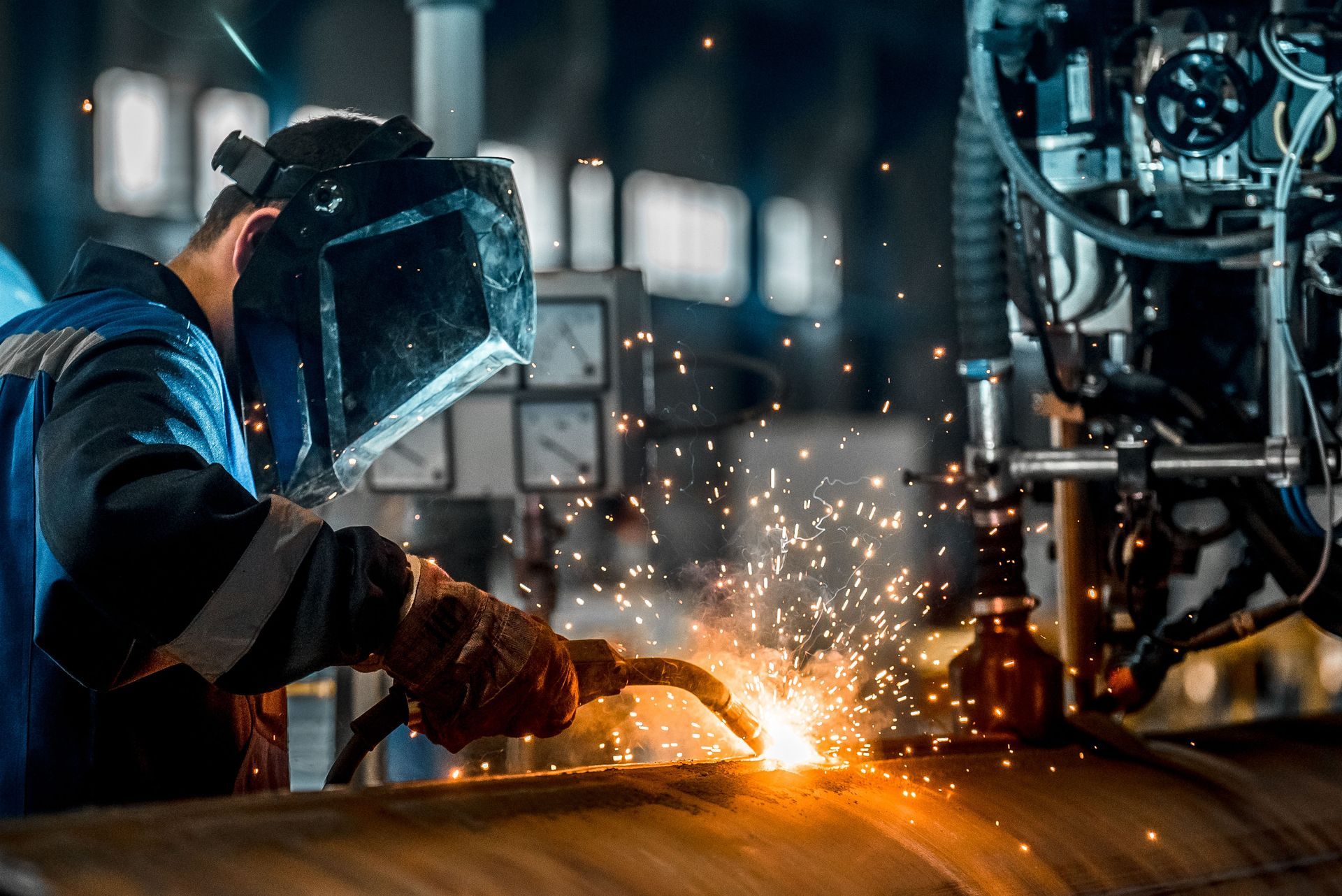
Maximizing workplace safety requires strict adherence to ventilation standards and hazard isolation protocols. Welding fumes contain dangerous particles like manganese and hexavalent chromium that demand efficient local exhaust ventilation systems. According to Transparency Market Research, about 30% of large-scale metal fabrication operations use robotics to improve efficiency and quality. These automated setups often feature integrated ventilation systems designed to capture airborne contaminants directly at the source. Regular calibration and maintenance of these ventilation systems are essential to ensure their ongoing effectiveness and compliance with safety standards.
Preventing fires and explosions is another critical focus area due to the frequent presence of flammable gases and materials. Clear the designated zone of all combustible substances and ensure fully charged fire extinguishers are always within arm's reach. Utilizing heat-resistant blankets or curtains effectively isolates sparks and molten metal from the rest of the workspace. Conducting thorough pre-job safety assessments allows teams to identify potential weak points before work begins. It is also important to establish an emergency communication plan to ensure a swift response in case of an incident.
Correct equipment handling preserves both machinery longevity and worker safety. Standard operating procedures should cover daily equipment inspections, routine cleaning, and emergency shut-off actions to prevent electrical shocks. Modern machinery equipped with automatic shut-off features and overheating protection significantly limits human error. Ensuring everyone adheres to these handling protocols fosters an accountable, proactive safety culture. Regular training sessions on proper equipment handling can further reinforce safe practices and reduce the likelihood of accidents.
Elevate Training and Competency
Structured educational programs are foundational for developing technical proficiency and minimizing workplace accidents. Comprehensive instruction should cover theoretical concepts, hands-on practice, and emergency response strategies. Investing in high-caliber learning paths ensures that workers remain completely updated on changing industry standards and advanced machinery. Formal certification objectively verifies a technician's abilities and dedication to regulatory compliance. Access to diverse learning materials and platforms empowers workers to expand their knowledge base at their own pace.
Continuous education and refresher courses keep personnel sharp as modern fabrication technologies evolve over time. Regular welding skill assessments help managers align team capabilities with specific project demands while identifying areas for further development. Supervisors play a pivotal role by enforcing safety standards, conducting routine audits, and mentoring newer workers. Combining traditional field oversight with continuous education creates a robust framework for operational excellence. Engaging in collaborative workshops can also foster a culture of teamwork and mutual support among employees.
Optimize the On-Site Environment
Isolating active work zones protects bystanders and non-essential personnel from flash burns and flying debris. Use clear signage and physical barriers to restrict access, ensuring only authorized individuals enter the perimeter. For massive context on industrial volume, according to WifiTalents, approximately 15 million windshields are replaced annually in the United States. While that statistic highlights standard automotive glass replacement rates, it underscores why industrial zones require heavy physical shielding to protect nearby glass, equipment, and people from stray high-velocity sparks. Additionally, periodic evaluations of signage effectiveness and barrier resilience fortify overall site safety protocols.
Maintaining organized workspaces reduces tripping hazards and protects expensive machinery from accidental damage. Cables, hoses, and gas cylinders must be securely stored and routed away from high-traffic walking paths. Proper storage of oxygen and acetylene cylinders prevents hazardous leaks and catastrophic workplace explosions. Clean, orderly environments allow welding technicians to move freely and respond rapidly if an emergency arises. Regular audits can further ensure adherence to storage and organizational standards.
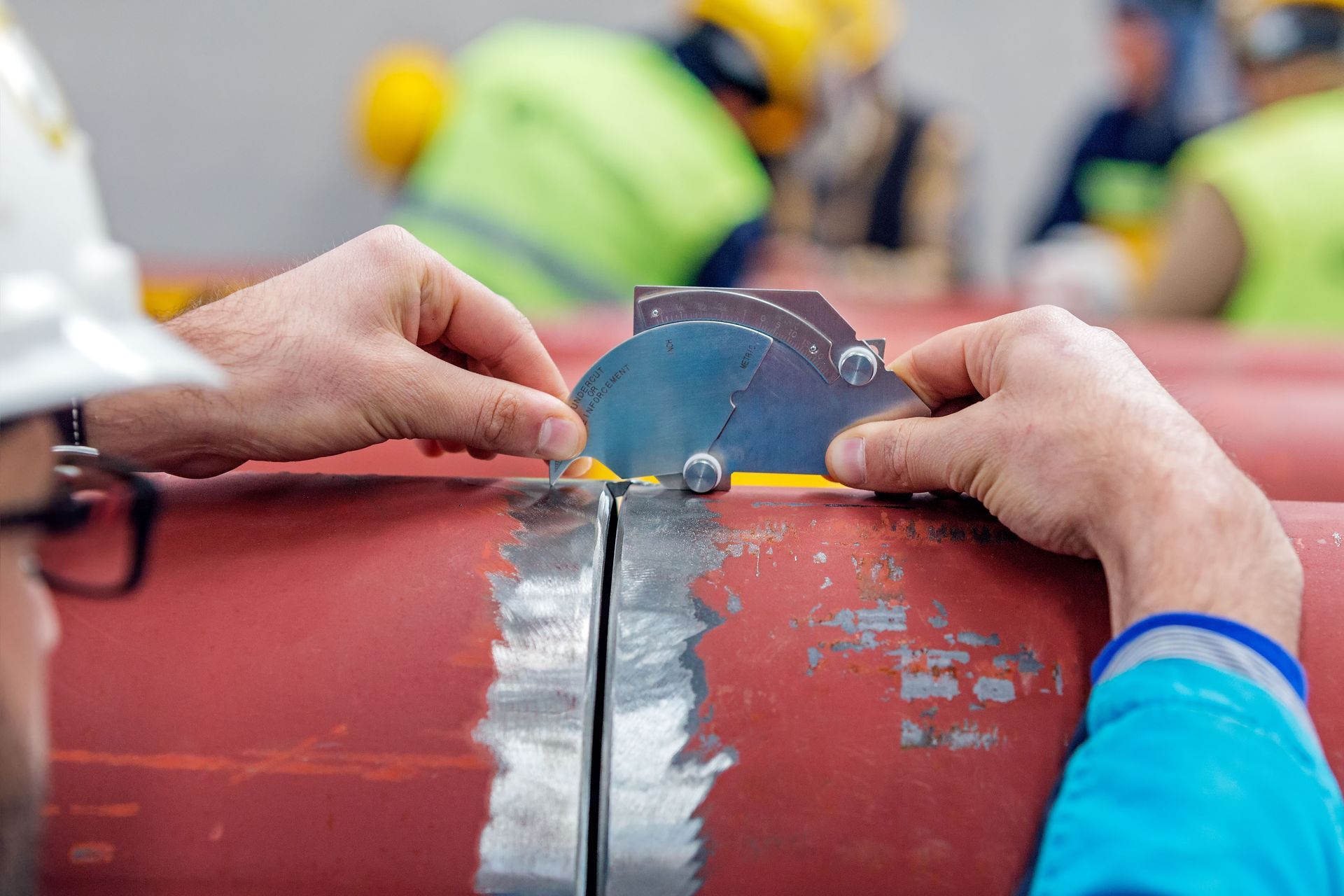
Final inspections and post-job cleanups complete the cycle of comprehensive site safety. Workers should verify that all equipment is powered down and that gas valves are completely closed before leaving the area. A dedicated fire watch should remain on site for at least 30 minutes after operations cease to detect smoldering embers. Taking these final precautions ensures the workspace remains entirely secure long after the day's tasks are completed. Incorporating a digital checklist ensures no vital step is overlooked during these crucial procedures.
Invest in Professional Fabrication Instruction
Enrolling in a structured program provides foundational knowledge that short-term on-the-job training simply cannot replicate. Students learn the intricate physics of metallurgy alongside rigorous safety habits that prevent long-term health complications. Experienced instructors guide pupils through complex techniques, ensuring they master the nuances of arc control and joint preparation. This formal background prepares individuals to enter the commercial workforce with confidence and skill. Such comprehensive training builds a resilient workforce capable of tackling diverse challenges with innovative solutions.
Advanced courses offer specialized training tailored to cutting-edge manufacturing and automated production environments. Students gain hands-on experience with modern power sources, specialized alloys, and automated system interfaces. Developing these high-level skills opens doors to lucrative career paths in specialized manufacturing sectors. Staying dedicated to educational growth guarantees that technicians remain highly competitive in a rapidly changing industrial market. The continuous evolution of course material ensures alignment with new technological advancements.
Choosing an established institution ensures access to quality equipment, certified instructors, and comprehensive learning resources. Programs focus heavily on industry compliance, preparing students to pass stringent certification tests on their first attempt. This rigorous preparation builds a deep pool of qualified talent ready to uphold local safety standards. Prioritizing formal instruction elevates the capabilities and reputation of the entire regional workforce. Institutions with strong industry connections also offer valuable networking opportunities that can enhance career prospects.
Maintaining a secure job site requires a continuous commitment to proper gear, smart habits, and comprehensive instruction. We bring over three decades of field experience to every commercial project and educational course we offer. We provide free estimates within one week and next-day availability to keep your schedule moving forward seamlessly without delay. Contact Genesis Welding & Fabrication today to learn more about our professional mobile welding services and comprehensive welding school options.