December 18, 2025
Pipelines are the backbone of modern infrastructure, transporting essential resources such as oil, gas, and water across vast distances. Ensuring the integrity of these pipelines is critical, not only for the safety of the environment and communities but also for operational efficiency. One of the most crucial elements in maintaining pipelines is skilled welding. This blog explores why expert welding services are indispensable in pipeline maintenance and how they contribute to long-term reliability and safety.
Understanding Pipeline Maintenance
Maintaining pipelines involves a variety of tasks aimed at ensuring that pipelines operate safely and efficiently. These tasks include inspecting for leaks, corrosion, structural damage, and wear and tear. Regular maintenance also involves replacing or repairing damaged sections, which often requires precise welding. Without proper maintenance, pipelines are susceptible to failures that can result in costly repairs, environmental damage, and potential hazards to human life.
The Role of Welding in Pipeline Integrity
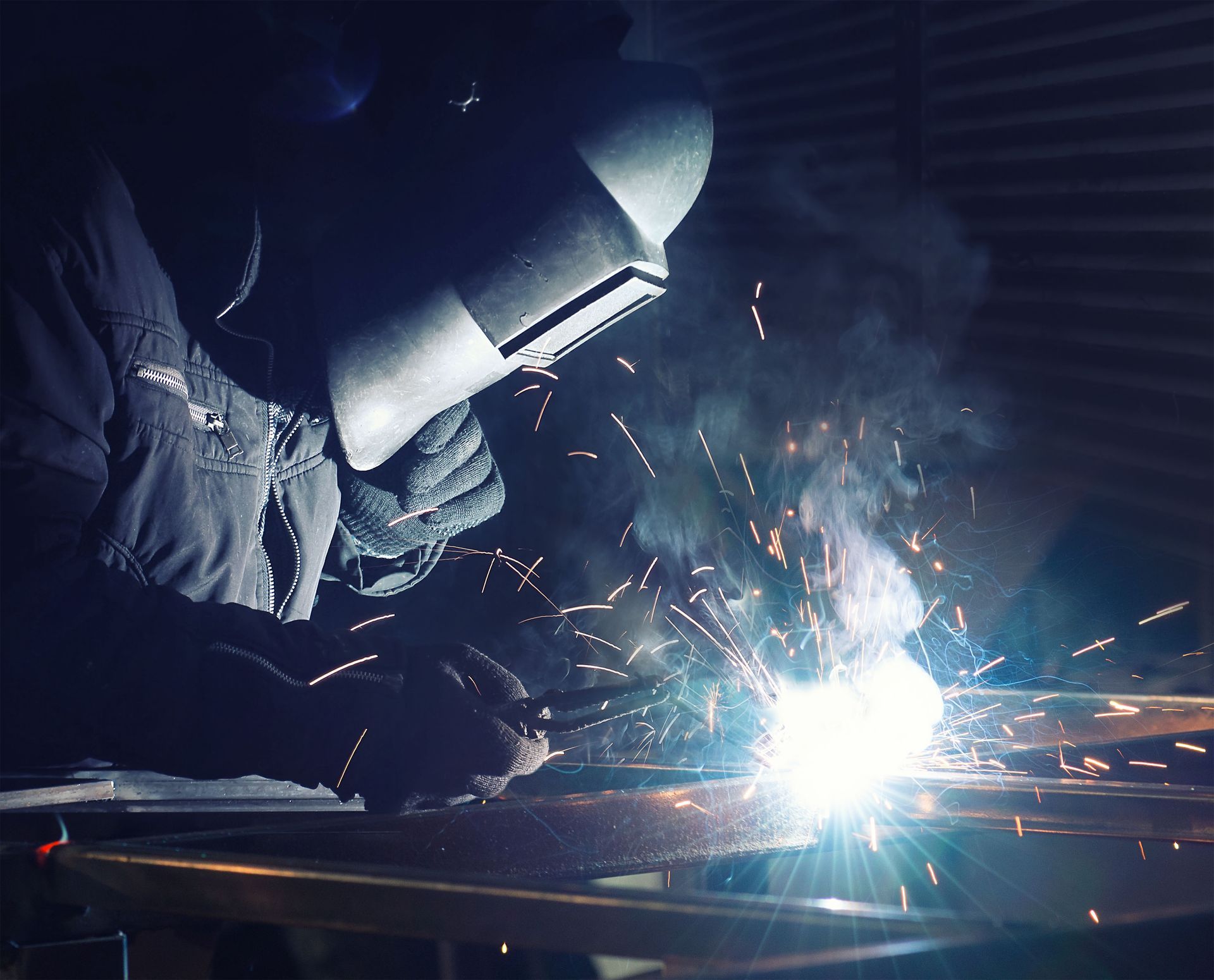
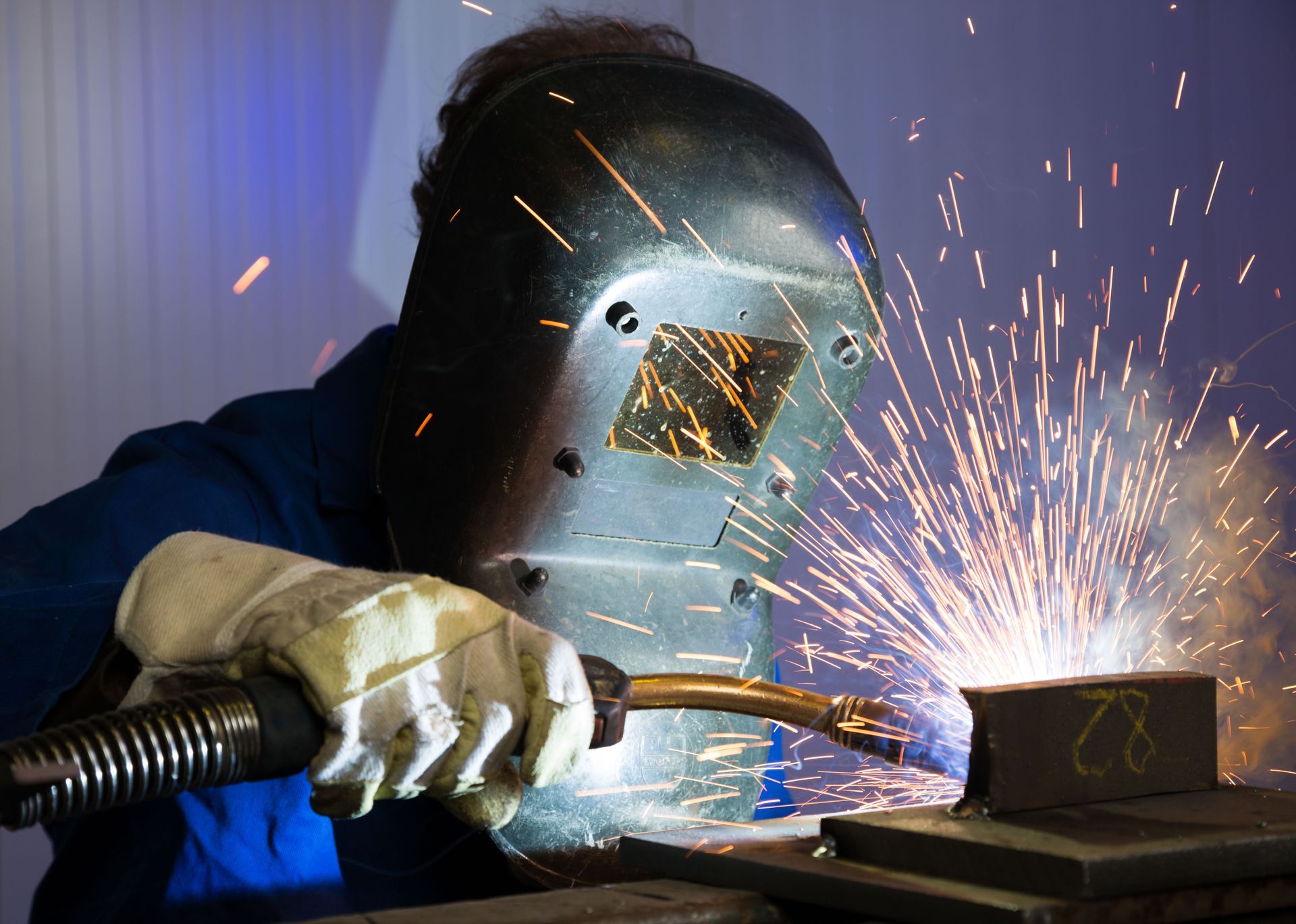
Welding is a fundamental process in pipeline construction and maintenance. Skilled welding services join sections of pipe together, repair cracks, and reinforce weakened areas. A high-quality weld ensures that the pipeline can withstand internal pressures, temperature fluctuations, and external stresses. Poorly executed welding, on the other hand, can lead to leaks, ruptures, or catastrophic failures.
Why Skilled Welders Are Essential
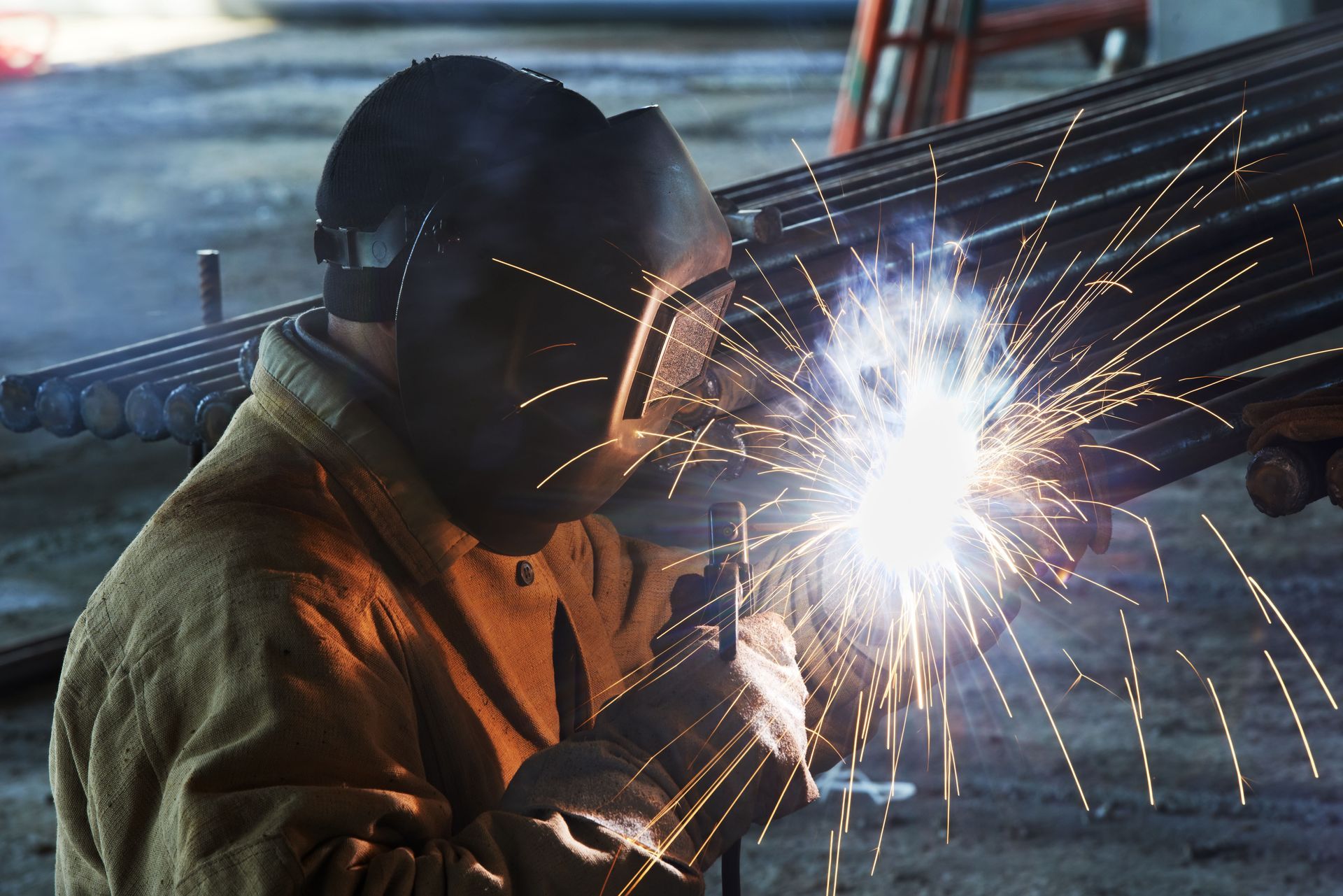
Pipeline welding requires precision, experience, and strict adherence to safety standards. Skilled welders bring expertise that ensures every joint is strong, durable, and free from defects. Key reasons why skilled welders are essential include:
- Safety: Incorrectly welded pipelines can lead to leaks, ruptures, or even catastrophic explosions, posing serious risks to workers, nearby communities, and the environment. Skilled welders follow precise techniques and safety protocols to significantly reduce these hazards and ensure secure pipelines.
- Longevity: High-quality welds prevent premature pipeline deterioration and structural weaknesses. By ensuring joints are properly fused and reinforced, skilled welders help pipelines maintain their integrity over decades, reducing the frequency of repairs and replacements while maximizing the overall lifespan of the infrastructure.
- Regulatory Compliance: Pipeline construction and maintenance are subject to strict industry regulations and safety standards. Certified welders understand these requirements and ensure all welding work meets or exceeds local, state, and federal guidelines, protecting companies from penalties, shutdowns, or legal liabilities.
- Cost Efficiency: Investing in skilled welding upfront prevents costly downtime, emergency repairs, and material losses due to pipeline failures. By performing accurate, durable welds, experienced welders save companies money over time, enhancing operational efficiency and protecting the bottom line.
Inspection and Quality Assurance in Welding
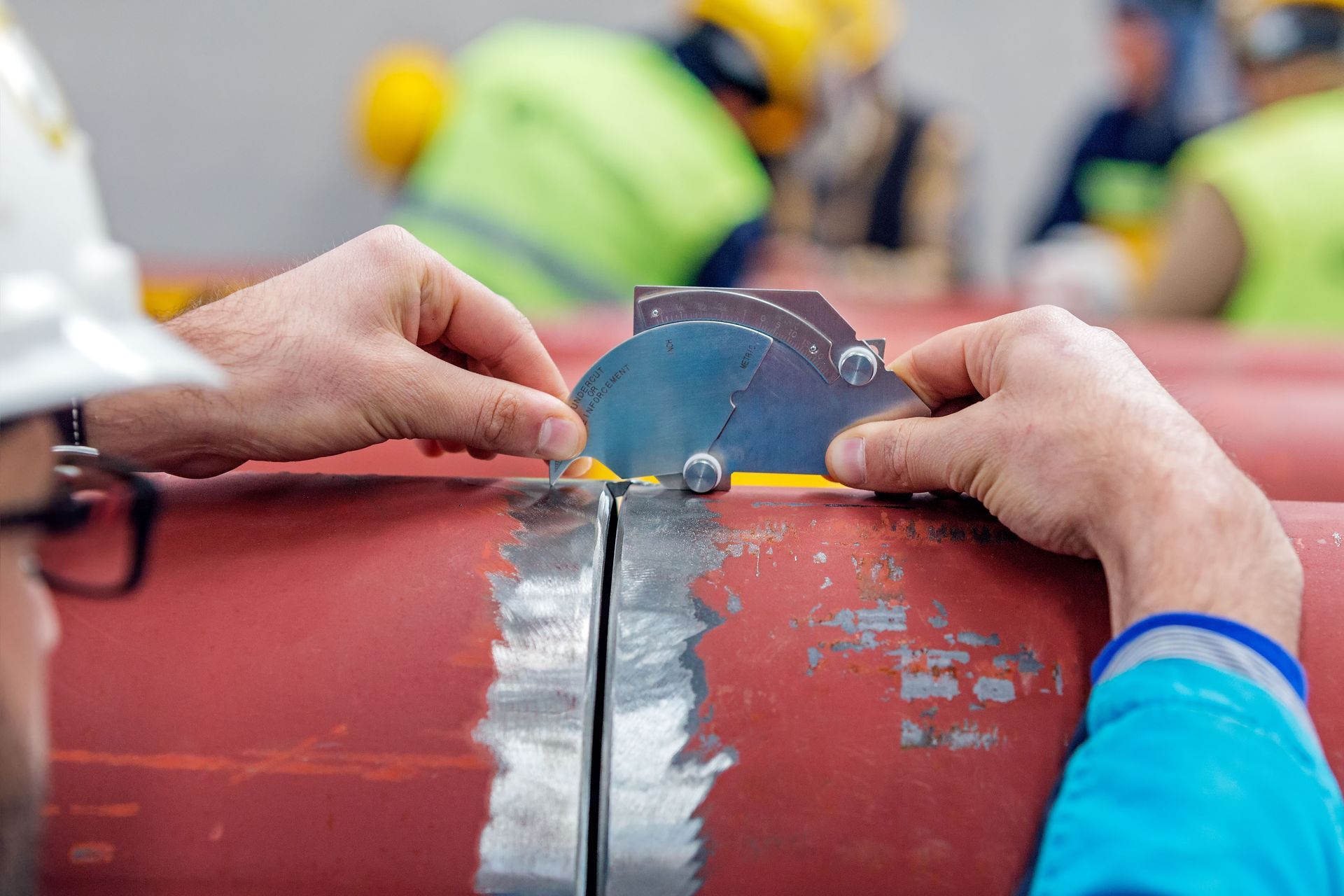
Even the most skilled welding services require thorough inspection to ensure quality. Non-destructive testing (NDT) methods, such as radiographic testing, ultrasonic testing, and magnetic particle inspection, are commonly used to detect any flaws in welds. Regular inspections are critical in identifying potential weaknesses before they lead to pipeline failure. Skilled welders often work closely with inspection teams to ensure that repairs meet all safety and quality standards.
Challenges in Pipeline Welding
The task of welding pipelines is not without challenges. Welders must often work in harsh environments, including underwater, underground, or in remote locations. They must contend with extreme temperatures, high pressures, and varying pipeline materials. Additionally, welding in confined spaces or on operational pipelines requires meticulous planning and adherence to safety protocols. The complexity of these tasks underscores the importance of employing skilled and experienced professionals.
Impact of Welding on Environmental Safety
Pipelines often transport hazardous materials such as crude oil or natural gas. Any leak or rupture caused by poor welding can have devastating environmental consequences. Skilled welding reduces the likelihood of spills, leaks, or contamination, protecting both the surrounding ecosystem and public health. By ensuring that pipelines remain intact, welding services play a key role in sustainable and responsible resource management.
Technological Advancements in Welding
The field of welding is continuously evolving, with new technologies improving precision, efficiency, and safety. Automated and robotic welding systems can enhance accuracy and consistency in pipeline maintenance. Advanced monitoring tools allow welders to assess weld integrity in real time. However, even with these technological aids, the human expertise and judgment of skilled welders remain irreplaceable, especially in complex or unpredictable situations.
Training and Certification
Pipeline welders undergo rigorous training to acquire the skills necessary for this high-stakes profession. Certification programs ensure that welders are proficient in various welding techniques and familiar with industry standards. Continuous education and on-the-job experience further enhance their competence. Companies often invest in regular training programs to keep their welding teams up-to-date with the latest technologies and safety practices, ensuring consistent quality in pipeline maintenance.
Case Studies Highlighting Skilled Welding
Several case studies demonstrate the critical role of skilled welding in pipeline maintenance. For example, in large oil and gas projects, pipelines with expertly welded joints have shown significantly lower failure rates compared to those with substandard welding. Maintenance crews report fewer leaks, reduced downtime, and lower repair costs when pipelines are maintained by certified welders. These real-world examples underscore the tangible benefits of employing highly skilled welding professionals.
The Economic Benefits of Skilled Welding Services
Investing in skilled welding services is economically advantageous. Quality welding prevents costly pipeline failures, which can result in environmental fines, cleanup costs, and production losses. Furthermore, well-maintained pipelines have longer operational lifespans, providing companies with a better return on investment. By minimizing maintenance interruptions and ensuring reliable operations, skilled welders contribute directly to the profitability and sustainability of pipeline infrastructure.
Preventing Corrosion Through Skilled Welding
Corrosion is one of the most common threats to pipeline longevity. Skilled welding can significantly reduce the risk of corrosion by creating seamless, airtight joints that prevent moisture or contaminants from penetrating the pipeline. Additionally, welders can apply protective coatings and incorporate corrosion-resistant materials during repairs. By addressing potential weak points before they become problematic, welding professionals play a crucial role in extending the operational life of pipelines and reducing maintenance costs.
Emergency Repairs and Rapid Response
Pipelines can encounter unexpected damage due to natural disasters, accidents, or operational failures. Skilled welding services are essential in emergency situations, providing rapid and effective repairs to prevent leaks, spills, or service interruptions. Their expertise allows them to assess damage quickly, implement temporary solutions if needed, and execute permanent repairs with precision. This capability not only minimizes downtime but also safeguards the environment and public safety.
Collaboration Between Welders and Pipeline Engineers
Effective pipeline maintenance requires close collaboration between welders and engineers. Engineers design repair plans, determine materials, and set safety standards, while welders bring technical skills and practical experience to execute these plans. This teamwork ensures that repairs are structurally sound, comply with regulations, and account for real-world conditions that may not be obvious on paper. By working together, welders and engineers enhance pipeline reliability and overall operational efficiency.
In an industry where even a small error can have catastrophic consequences, the value of expert welders is immeasurable. With 9.5% of employed U.S. welders under 25 years of age as of 2025, according to the American Welding Society, the welding field continues to grow and become accessible to all sorts of industries. Ensuring that pipelines remain safe, efficient, and environmentally responsible starts with investing in the right welding talent today. Our team at Genesis Welding & Fabrication serves the Liberty, NC metalworking community with over 30 years of hands-on experience! Request a free estimate today.